


TransPhoR contribution at the European Wastewater Management Conference in Manchester

TransPhoR contribution at the European Wastewater Management Conference in Manchester
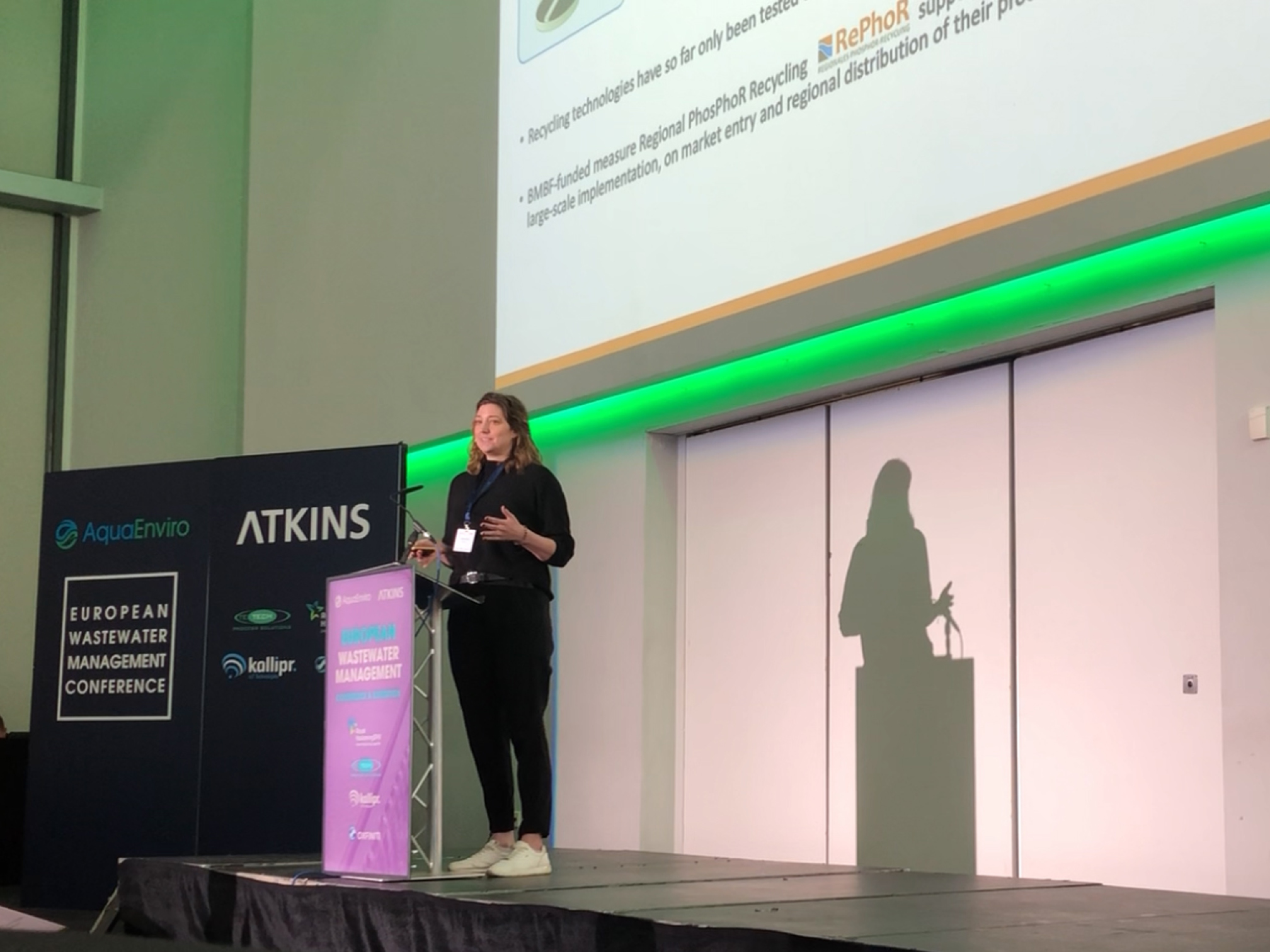
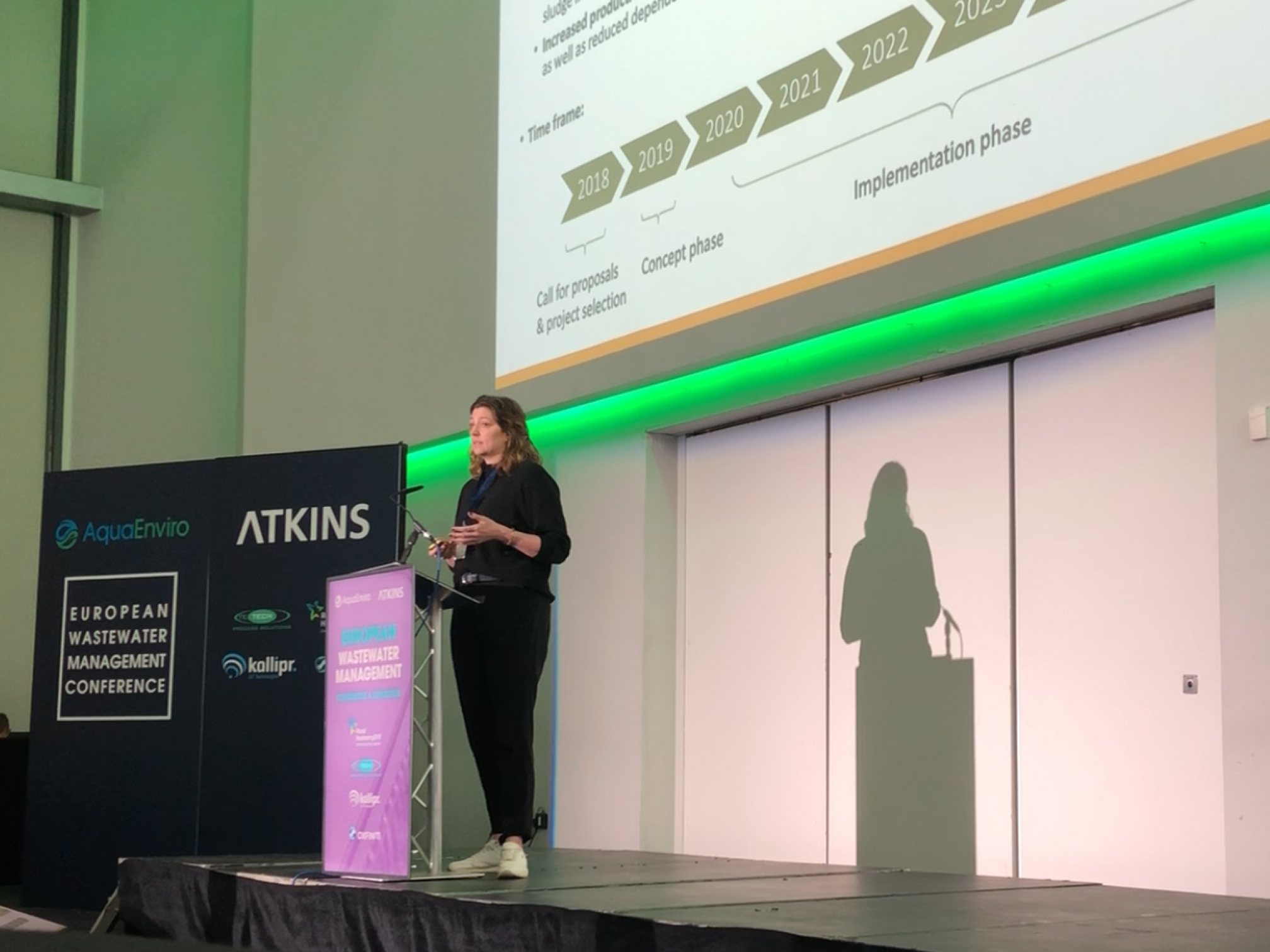
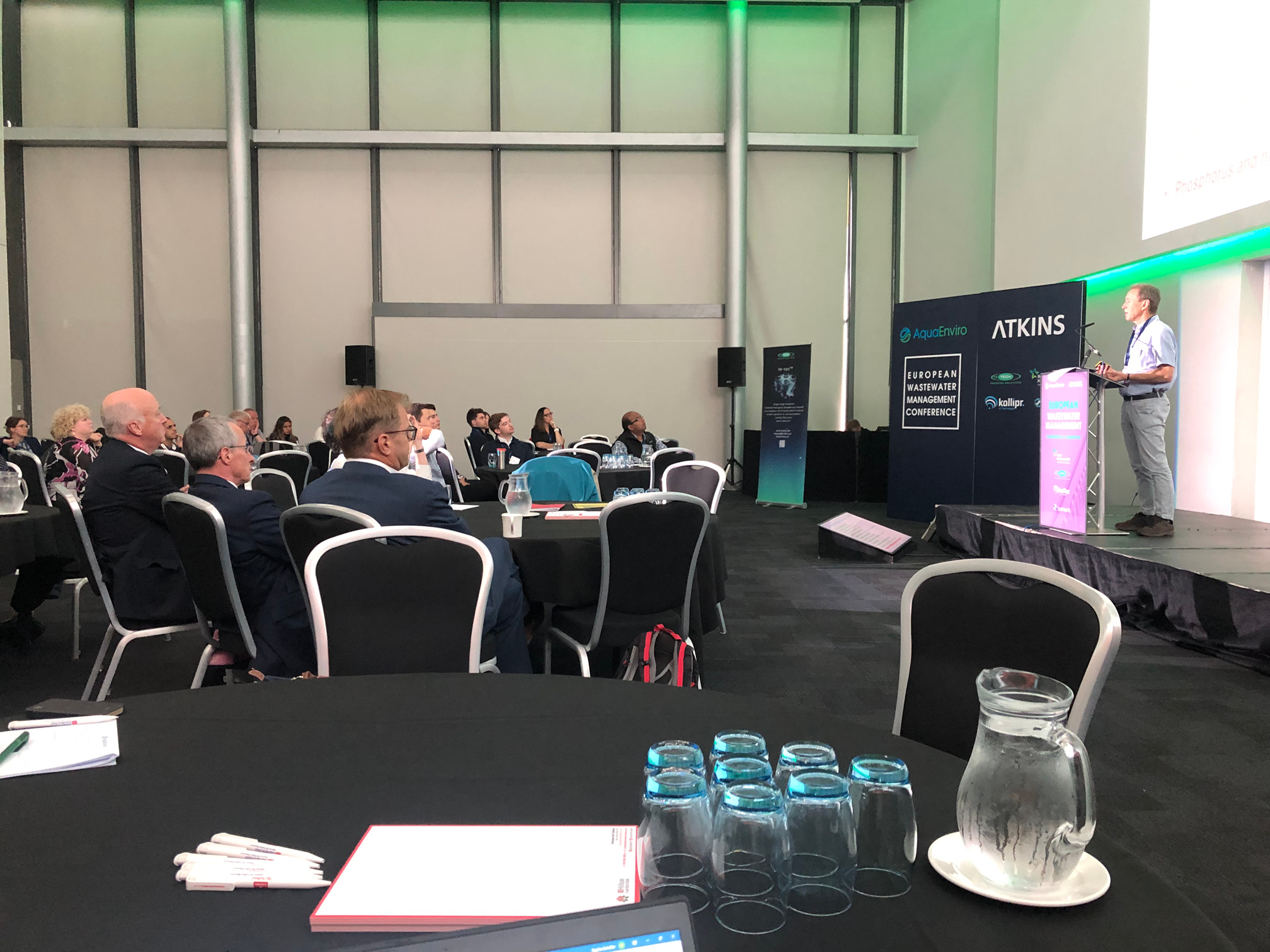
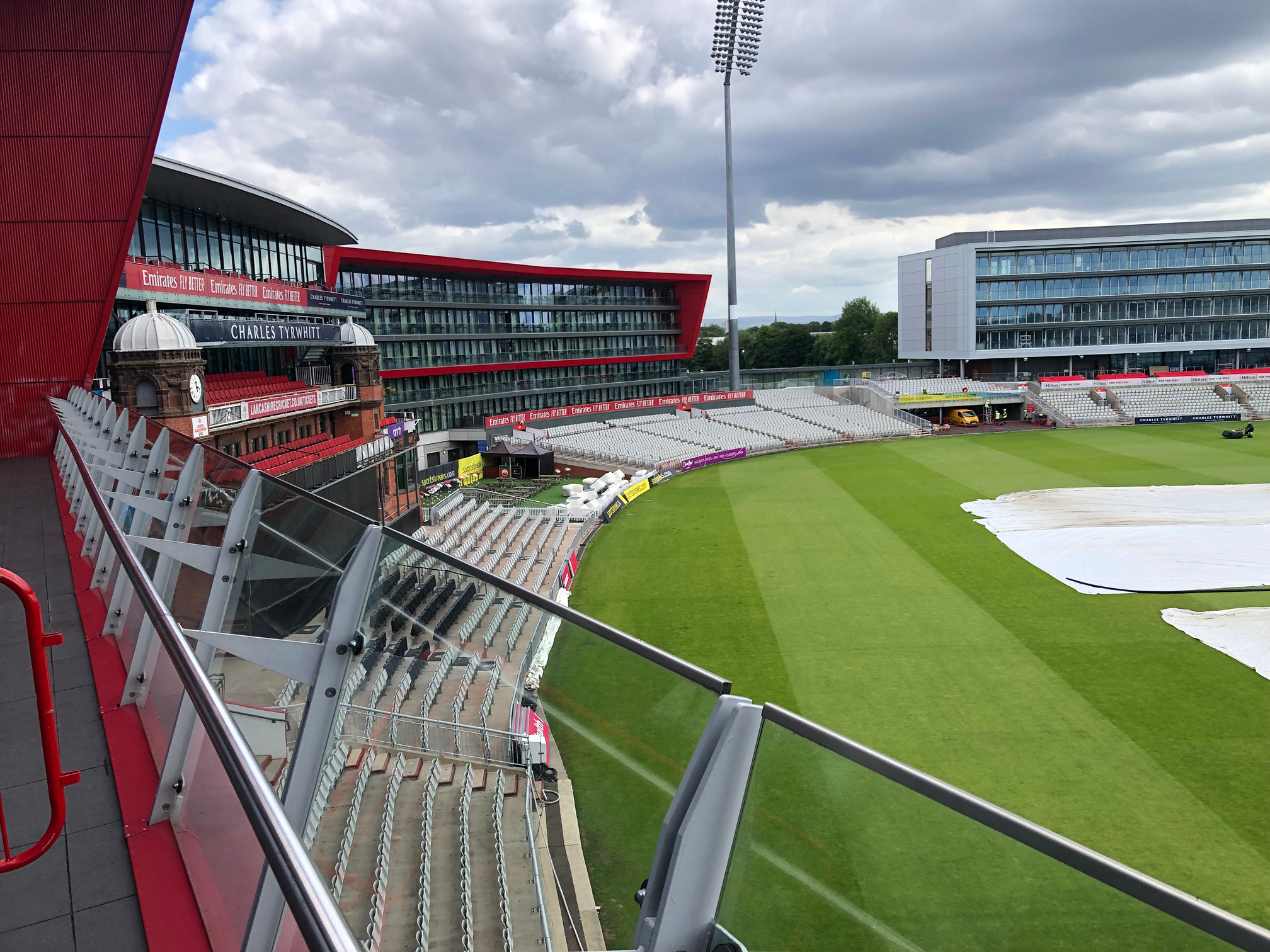
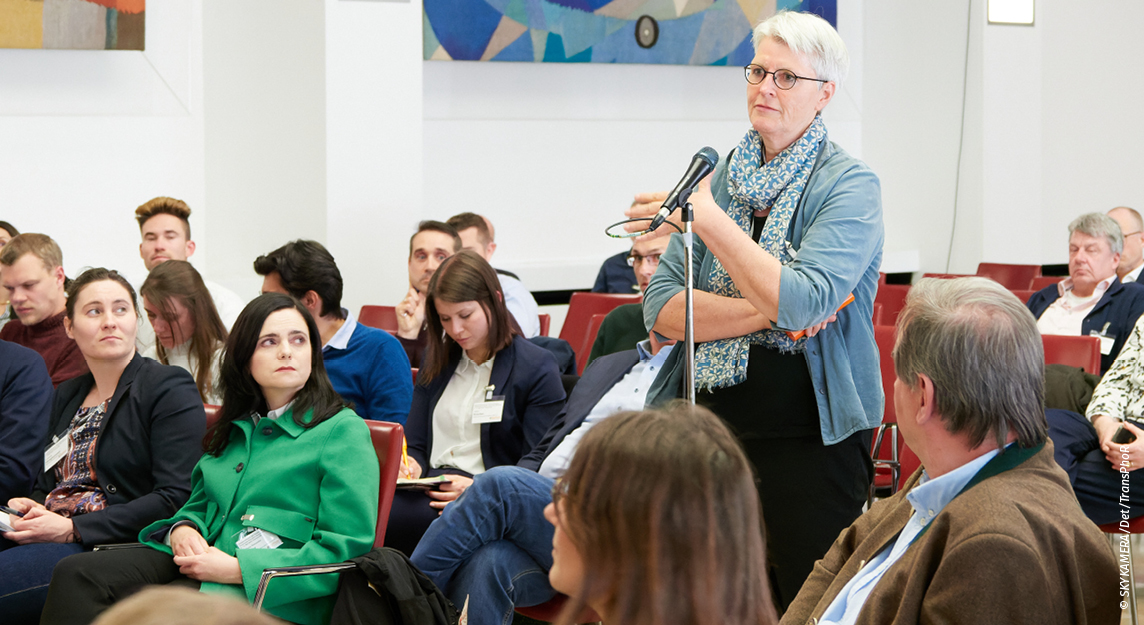
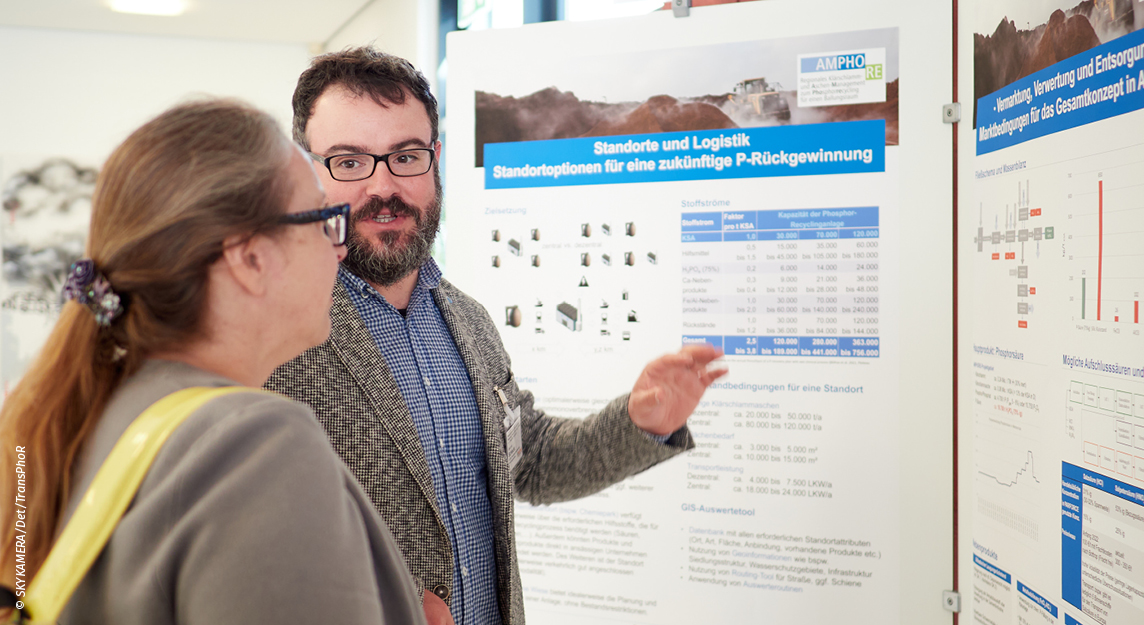
The European Wastewater Management Conference is an annual event for the presentation of current developments in the wastewater sector and the exchange of experts and stakeholders. This year, more than 300 participants attended the conference. Sophia Schüller from the TransPhoR project had the opportunity to present the RePhoR funding project within the “Nutrient Removal & Recovery” session and discussed with the participants the experience needed, which other European countries also need to access. Previously, Chris Thornton of the European Sustainable Phosphorus Platform (ESPP) had already given an overview of the EU’s regulatory instruments for nutrient recovery.

The conference was held in the light of the worsening climate crisis: in his key note presentation “This changes everything: the coming climate reckoning”, Professor Rupert Read urgently called on the water industry to take action. In the light of this, the following presentations once again made clear the connection between phosphorus and climate change: increasing heavy rainfall and storm events cause phosphorus to be flushed out of the soil, which on the one hand has a negative impact on the water quality of neighboring bodies of water, and on the other hand increases the need for phosphorus fertilizer. At the same time, the soil temperature increases in the long term and thus also the uptake capacity of the plants.

In view of the expert audience, the presentation focused on the organizational challenges of phosphorus recycling and the results to be expected from RePhoR, as well as the description of the accompanying and cross-project cross-cutting issues (more on the RePhoR homepage). Germany, as one of the countries in the EU that have introduced a P-recycling obligation, can also help to shape the technological paths of other EU countries through the experiences that are also generated within the RePhoR measure, if they are looking for best practice examples. The discussions that followed the presentation made it clear that there are many questions about the way forward and the urgency of the timeframe, and that the results are eagerly awaited.
RePhoR projects enter the next phase

RePhoR projects enter the next phase

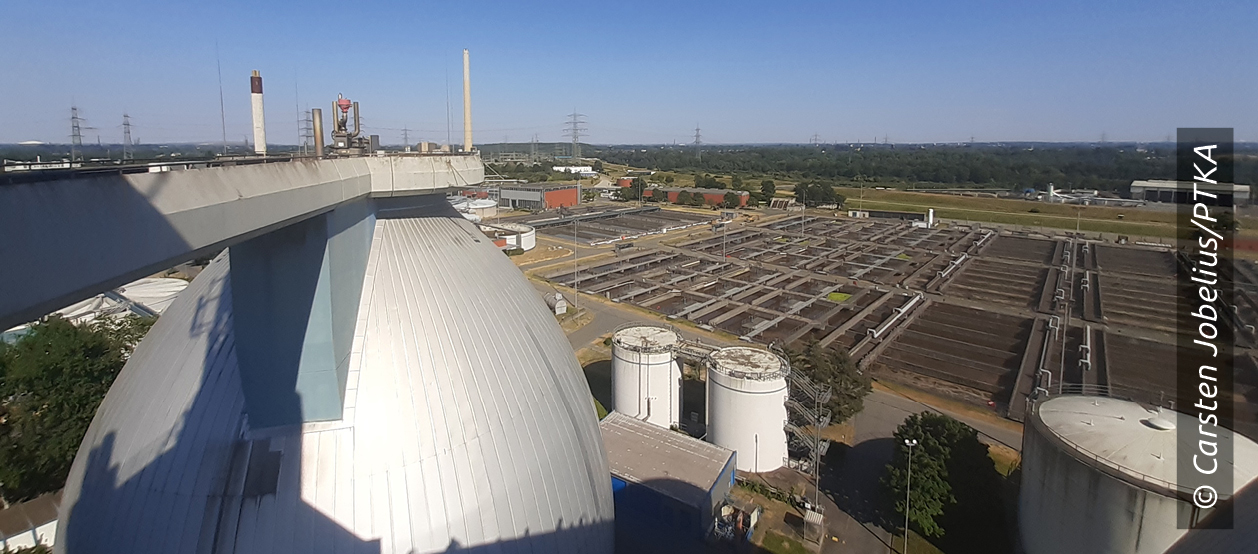
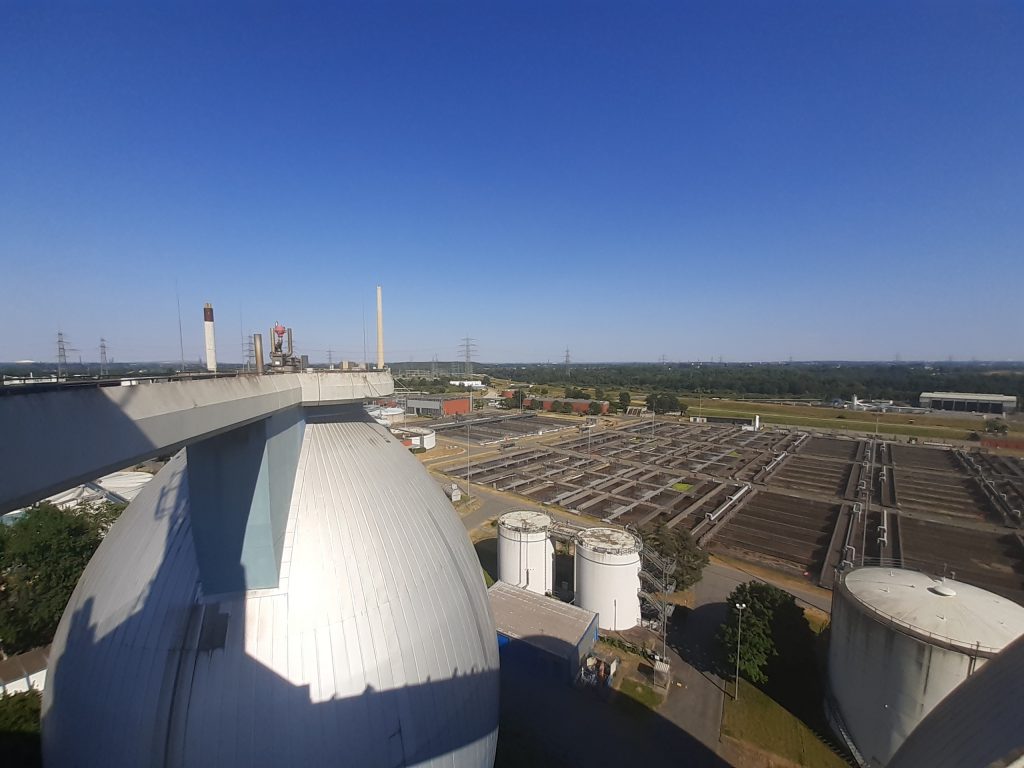
View from the digestion tower of the wastewater treatment plant in Bottrop. It is the site for a phosphorus recovery plant. © Carsten Jobelius / PTKA

The seven joint projects are now entering the practical implementation with the start of the further funding phase at the beginning of July.

More at
https://www.fona.de/de/projekte-zum-phosphorrecycling-gehen-in-naechste-phase

Phosphorus recycling in innovation management – TransPhoR contribution at the ISPIM Innovation Conference in Ljubljana

Phosphorus recycling in innovation management – TransPhoR contribution at the ISPIM Innovation Conference in Ljubljana

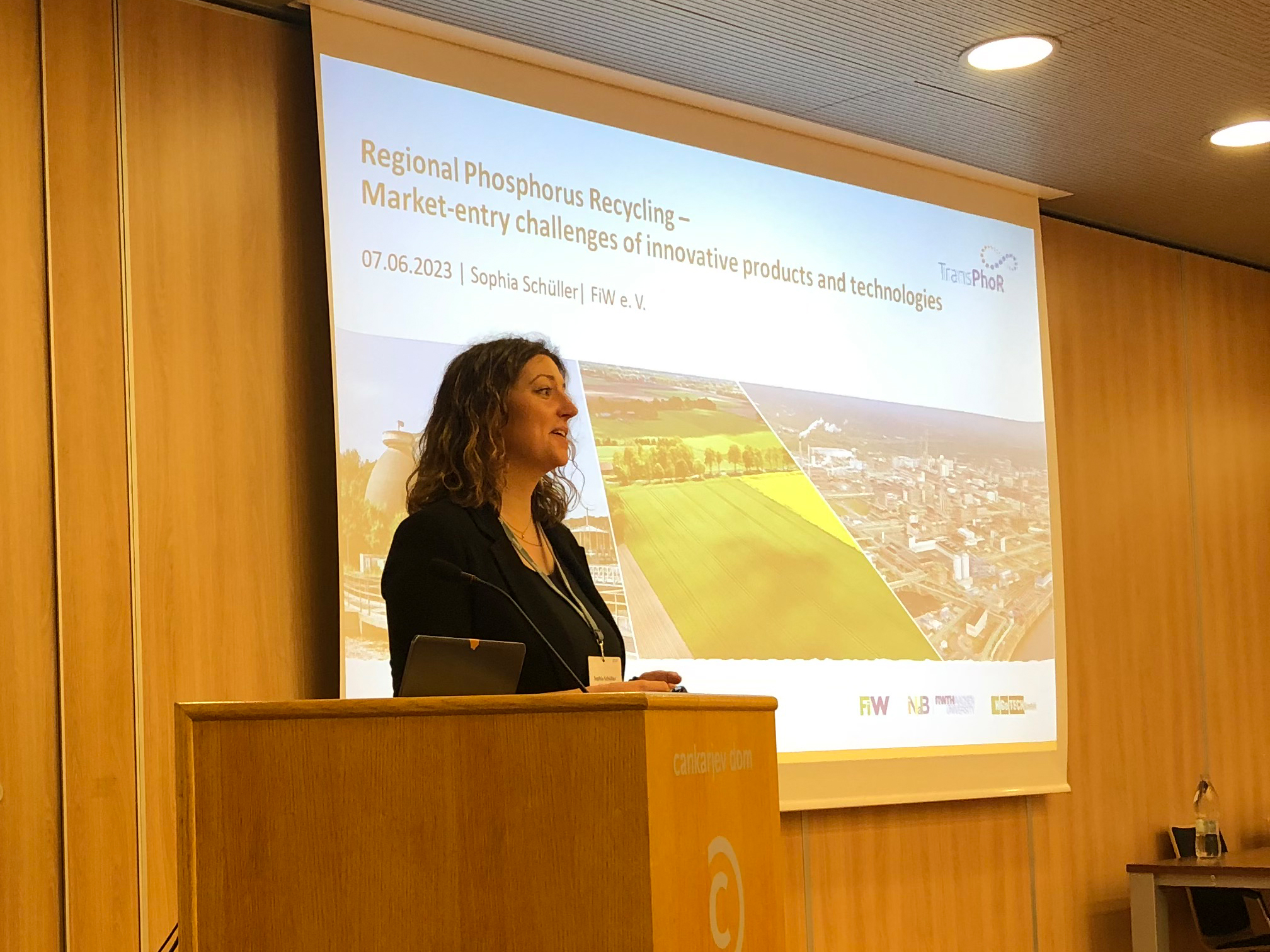
The scientific accompanying project presented the BMBF funding measure Regional Phosphorus Recycling (RePhoR) and discussed potential barriers to market entry of wastewater-derived phosphorus recyclates in the context of innovation management.

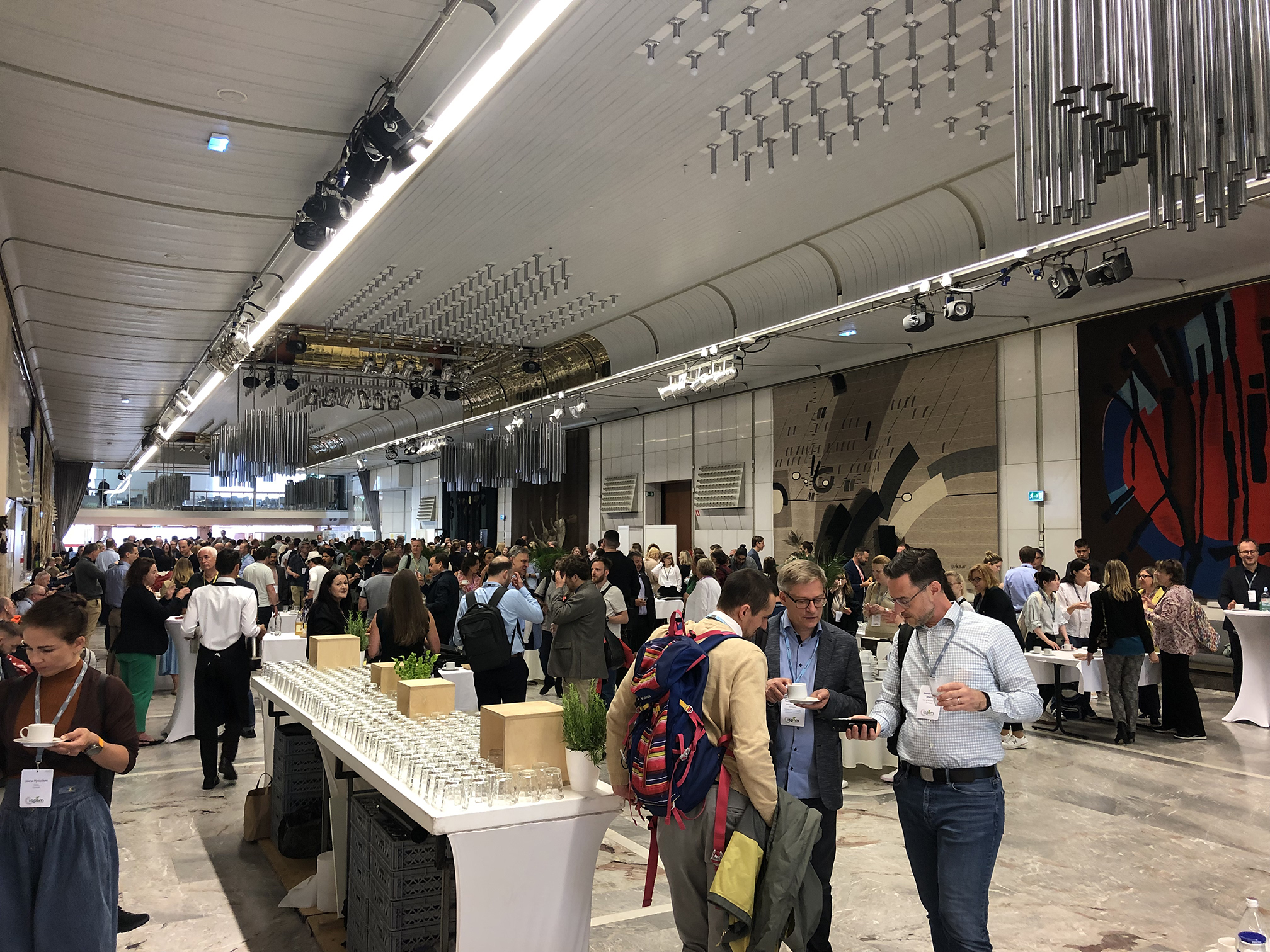
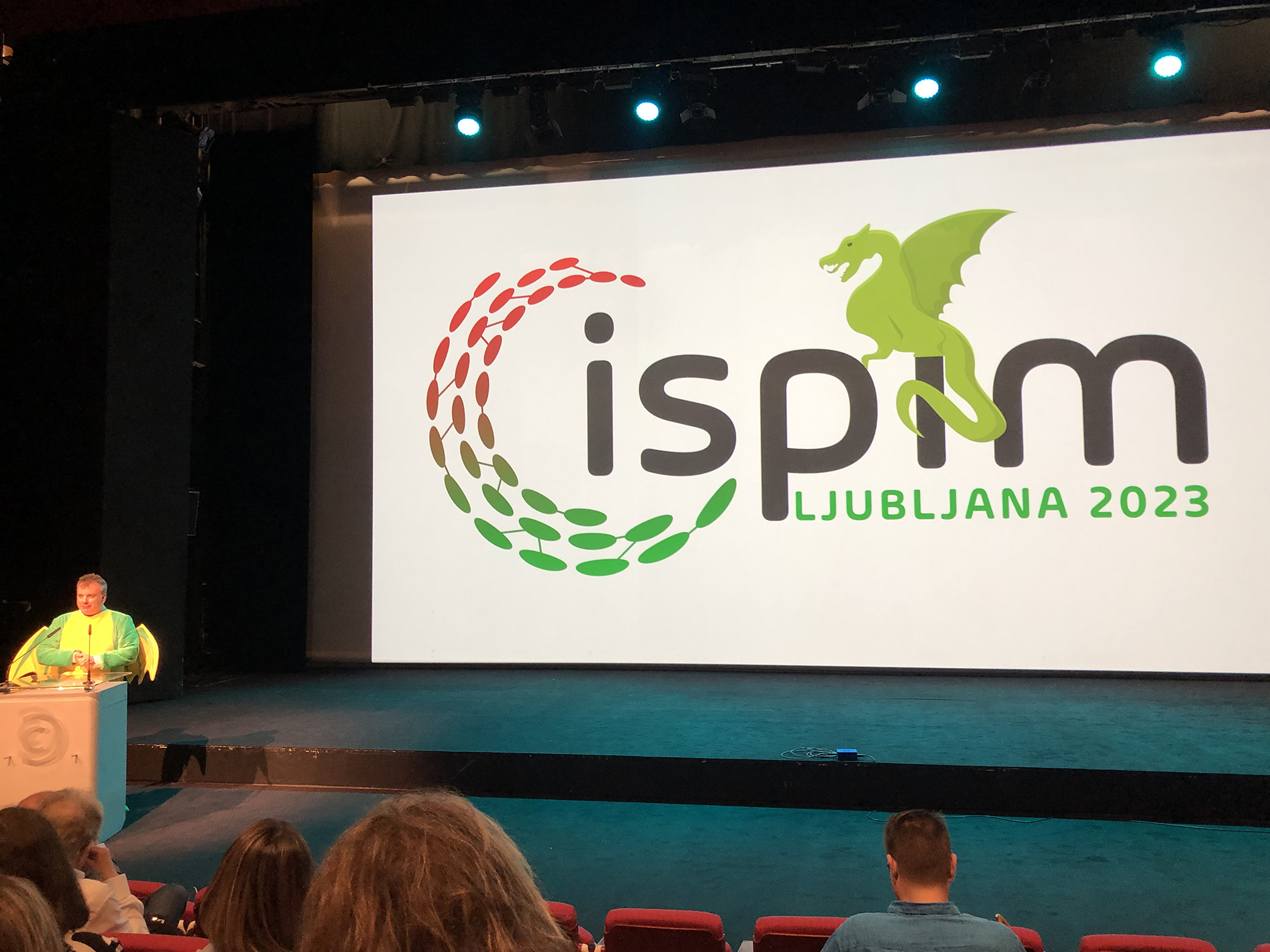
The ISPIM Innovation Conference is held annually in varying locations around the world and this year was the 34th time it was organized and held in Ljubljana, Slovenia, in collaboration with regional stakeholders. The organizer is ISPIM (International Society for Professional Innovation Management), which is concerned with the generation of innovative products, processes and services and their market entry and networks members with each other.

With this year’s focus of the event on Circular Economy, phosphorus recycling fitted right in. Therefore, in the block “EU Projects” Sophia Schüller was able to present the funding measure Regional Phosphorus Recycling (RePhoR) on June 7th and discuss challenges for market entry, e. g. legal issues. The session was moderated by Katrin Reschwamm (EUrelations AG).

The conference offered an exciting insight into innovation management and new impulses for the project, which are now being processed in the follow-up.

BMBF-funded measure RePhoR successfully draws up mid-term balance at status seminar in Frankfurt a. M.

BMBF-funded measure RePhoR successfully draws up mid-term balance at status seminar in Frankfurt a. M.

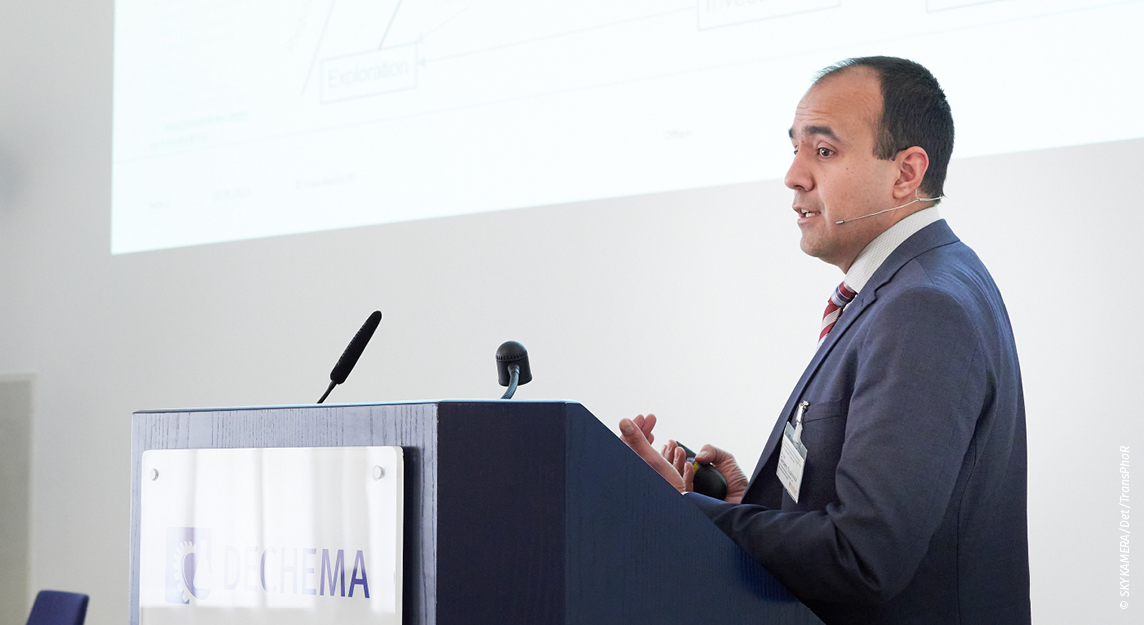
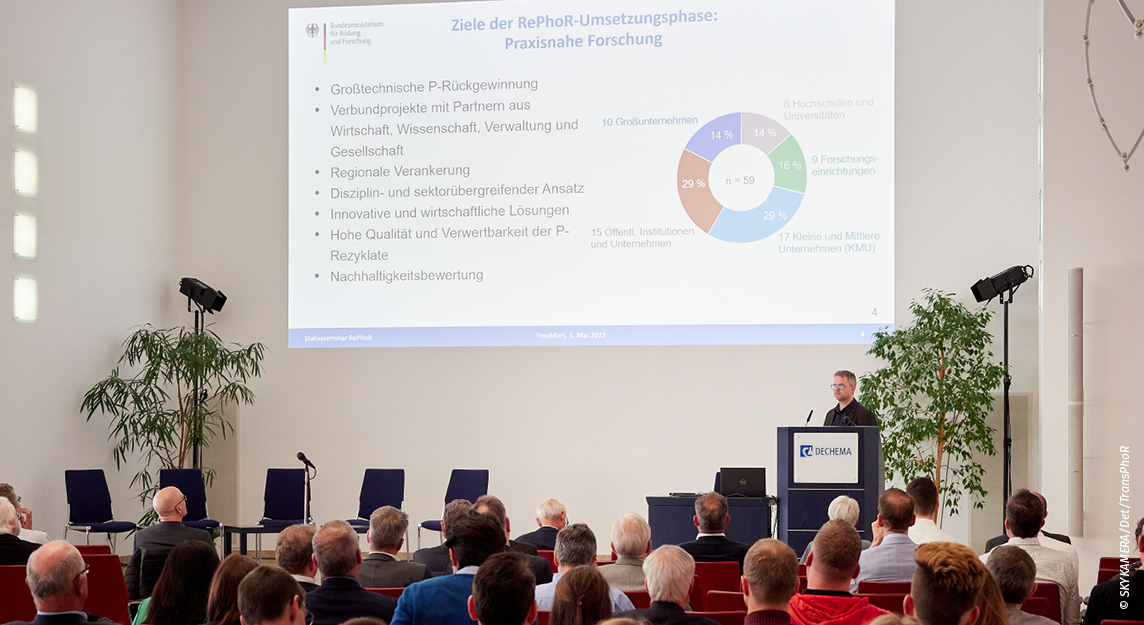
On May 3 and 4, 2023, the seven BMBF-funded collaborative projects as well as the cross-cutting topics presented their respective status of work and interim results. The status seminar was organized and hosted by the scientific accompanying and transfer project TransPhoR. It marked the mid-term of the funding period and welcomed around 140 participants to the DECHEMA building in Frankfurt am Main.

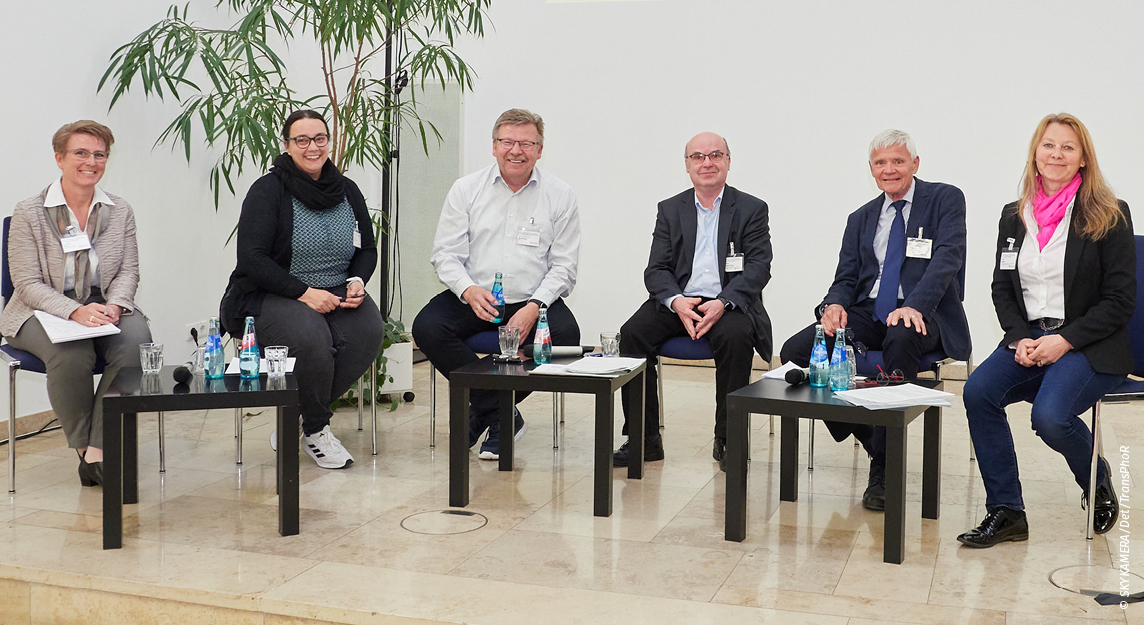
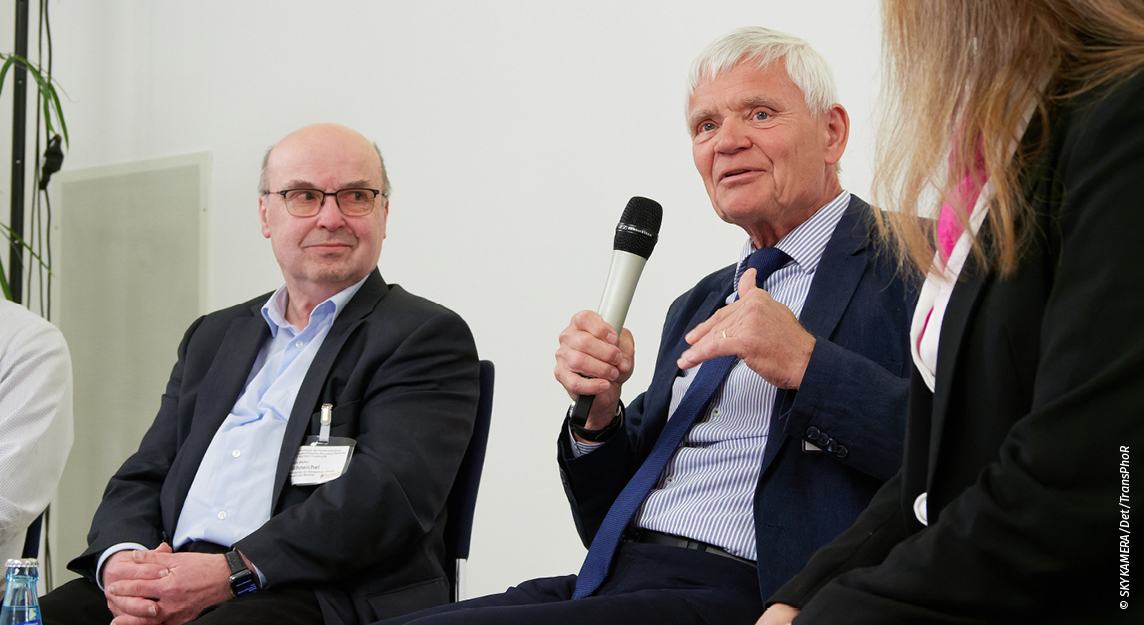
The conference was opened by Dr.-Ing. Luis Tercero Espinoza, who introduced the criticality of phosphorus with a keynote speech on current developments in the raw materials market. In presentations by the project coordinators and those responsible for the overarching cross-cutting issues, as well as in the form of a poster exhibition, it was possible to present and discuss the work carried out to date by the funding measure. In a panel discussion, the question of the status and developments of phosphorus recycling in view of the legal requirements until 2029 was discussed. The first day was open to the professional public and offered not only funding recipients but also operators and participants from business, politics, administration and other interested parties the opportunity to learn more about the current state of phosphorus recycling.

On the second day, an internal RePhoR workshop took place in the form of a World Café, in which questions concerning products & markets, legal aspects, risk management and sustainability analysis were discussed in several rounds on a total of four topic tables. All presentations as well as the conference proceedings will be made available on the event page soon. We would like to thank all speakers, exhibitors and participants for the insights into their work and the constructive exchange.

All presentations as well as the conference proceedings will be made available on the RePhoR homepage in due course. We would like to thank all speakers, exhibitors and participants for the insights into their work and the constructive exchange.

Homepage of PhosRec GmbH in the AMPHORE project online 

Homepage der PhosRec GmbH im AMPHORE-Projekt online

PhosRec Phosphor-Recycling GmbH was founded in March 2020 by five public water boards from North Rhine-Westphalia for the purpose of jointly implementing the future mandatory phosphorus recovery.

Within the framework of the AMPHORE project, the shareholders want to assume joint responsibility via the GmbH for the planning, approval, construction and demonstration operation of a large-scale plant with the aim of phosphorus recycling from sewage sludge ash. The participating shareholders are Emschergenossenschaft, Ruhrverband, Wupperverband and Linksniederrheinische Entwässerungs-Genossenschaft (LINEG).

Now the homepage has been launched, which will provide regular information on the progress of construction and later on the operation of the demonstration plant of the AMPHORE project.

The site is available at https://phosrec.de/.

Social Hotspot Analysis on Primary P at S-LCA Conference

Social Hotspot Analysis on Primary P at S-LCA Conference

The International Conference on “Social Life Cycle Assssment” is the leading event on current methodological developments and best practices in the field of social sustainability assessment. In 2022, the 8th conference took place from September 5-8 in Aachen, Germany. Within a presentation block on “Interlinkages between S-LCA and Conflict Minerals or Critical Raw Materials Assessment”, a presentation on a social hotspot analysis on primary phosphorus was given by Dr.-Ing. Roland Meyer (INaB – Institute for Sustainability in Civil Engineering of RWTH Aachen University) of the transfer project TransPhoR. The findings from this lecture were developed in a master thesis and will also be used for the cross-sectional topic 2 “Sustainability Assessment” within the project RePhoR. The great interest in the lecture proves the importance of a holistic sustainability assessment. A publication on the topic is planned.

RePhoR will be represented at ESPC4

RePhoR will be represented at ESPC4

The 4th European Sustainable Phosphorus Conference (ESPC4) will take place between 20.06. – 22.06.2022 in Vienna. The BMBF-funded measure “Regional Phosphorus Recycling” (RePhoR) will be represented by FiW e.V. at RWTH Aachen University in a presentation of the joint and transfer project TransPhoR. On June 21, 2022 from 11:15 am – 12:45 pm, three parallel sessions will be offered with the topics “Emerging nutrient recovery technologies”, “Policies and regions for phosphorus sustainability” and “New fertilisers for nutrient sustainability”. The presentation on the funding measure RePhoR will be given by Sophia Schüller in the session ” Policies and regions for phosphorus sustainability”. The joint project DreiSATS will also be represented by Fraunhofer IKTS in the session “P-Recovery from Ash”.

RePhoR workshop successfully held in presence

RePhoR workshop successfully held in presence

As part of the BMBF funding measure “Regional Phosphorus Recycling” (RePhoR), a workshop was held on 18-19.05.2022 in hybrid form. Thereby, the first day was open to the public with presentations on the global perspective of P availability and recycling, as well as regarding the economics and the life cycle assessment and social consideration of the topic. In total, six speakers provided insights and were able to answer questions and discuss comments from both the present and digital audiences in three discussion blocks. The event was the first presence event since the beginning of the funding measure and therefore also served networking activities.

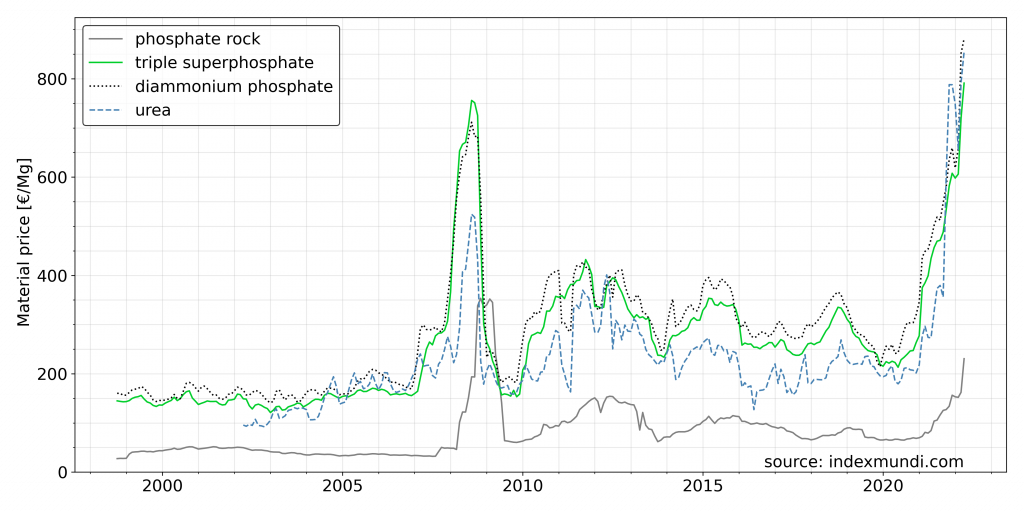
Figure 1: Development of prices for rock phosphate and triple super phosphate

The workshop was introduced by Prof. Dr.-Ing. Johannes Pinnekamp, Research Institute of Water Management and Climate Future at RWTH Aachen University, who presented an overview lecture on the classification of the funding measure. It was explained that phosphorus is classified as a critical raw material according to the definition of the EU and the necessity of P-recycling was presented.

In addition to the concentrated and dwindling availability of phosphate in Morocco, China and Russia, the current price development played an important role (Figure 1). The rapidly increasing import prices are so far unavoidable and could be reduced by using local resources in the sewage sludge.

A further introduction to the topic was given by Prof. Dr.-Ing. Markus Schröder, TUTTAHS & MEYER mbH, with a presentation on sustainable economic efficiency. In his lecture, Prof. Schröder went beyond the topic of phosphorus recovery to aspects of resource efficiency in the construction industry and, in particular, in the field of sewage treatment plant design.

Dr.-Ing. Roland Meyer, Institute of Sustainability in Civil Engineering (INaB), RWTH Aachen University, and Mr. Fabian Kraus, Kompetenzzentrum Wasser Berlin, then provided insights into the challenges of life cycle assessments accompanying projects. Here a balance has to be found between necessary simplifications to ensure the comparability of the LCAs and the procedural complexity of the different recycling technologies. Dr.-Ing. Maike Beier, Institute of Sanitary Engineering and Waste Management (ISAH), Leibniz University Hannover, took up the findings and applied them to practical challenges in regional planning. The lecture block was supplemented by the contribution of Ms. Anna Luthin, who addressed the social acceptance of secondary phosphorus products and presented initial results from a questionnaire campaign.

The second day was an internal workshop of the project partners and dealt with the cross-sectional topics of products, markets & legal aspects as well as sustainability assessment. There, the participants could also assign themselves to the respective topics in a hybrid format and communicate suggestions and wishes as well as ask open questions. In addition, the workshop on “Sustainability” discussed aspects and fixed them in binding assumptions that are required for the implementation of comparative life cycle assessments. The TransPhoR team noted down the comments in order to address existing problems.

A total of 104 people participated in presence or via Zoom and were able to facilitate a successful workshop with a lot of exchange.

RePhoR will be represented at IFAT 2022

RePhoR will be represented at IFAT 2022

The IFAT 2022 will take place between 30.05. – 03.06.2022 in Munich. The BMBF funding measure “Regional Phosphorus Recycling” (RePhoR) will be represented by FiW e.V. at RWTH Aachen University in a presentation of the joint and transfer project TransPhoR at the DWA Innovation Forum. There will be three sessions on 31.05.2022 with the topics “Closing Cycles”, “Climate Neutrality” and “Climate Adaptation”, whereby the presentation on the funding measure RePhoR will be held in the first session between 09:25 – 10:15. You can find further information on the homepage of DWA.

There will also be a BMBF booth at IFAT, where the BMBF will answer many questions about water research and water innovations. Additional information on this is available under the following link.

2nd law workshop of the BMBF funding measure RePhoR successfully took place

2nd law workshop of the BMBF funding measure RePhoR successfully took place

On Thursday, April 7, 2022, the second law workshop in the framework of the BMBF funding measure RePhoR took place. The four-hour event was open to the public and attracted great interest from external parties. A total of 87 people attended, representing each collaborative and sub-project of RePhoR, the steering committee, and external participants. The workshop was divided into three presentations and three discussion rounds each and created a basis for an informative exchange between participants and presenters through the speakers. Thematically, the law workshop dealt with the legal basis for the use and processing of sewage sludge for the production of fertilizers, as well as the terminology and classifications of waste and (by-)products. For this purpose, the Fertilizer Ordinance, the Waste Law and the Water Law were addressed and examined in more detail on the German as well as on the EU level. Mr. Hans-Walter Schneichel, Mr. Ludwig Hermann and Mr. Stefan Kopp-Assenmacher, who were able to provide theoretical as well as practical assistance due to their many years of experience, helped with the understanding. Furthermore, the project coordinator Hanna Evers of the collaborative project AMPHORE presented the legal issues that arose in the course of the project and which are still open, thus driving an exchange between the projects to identify common problems.

The workshop was organized and conducted by the networking project TransPhoR through FiW e.V. at RWTH Aachen University. The presentation slides of the speakers are available under the following link: 
https://rephor.aachenweb.de/veranstaltungen/2-rechtsworkshop-rephor/